Their Role in TCM, and Touch Tuina’s Autumn & Winter Nourishing Poached Pears Recipe
The Humble Pear: Nature’s Autumn & Winter Medicine
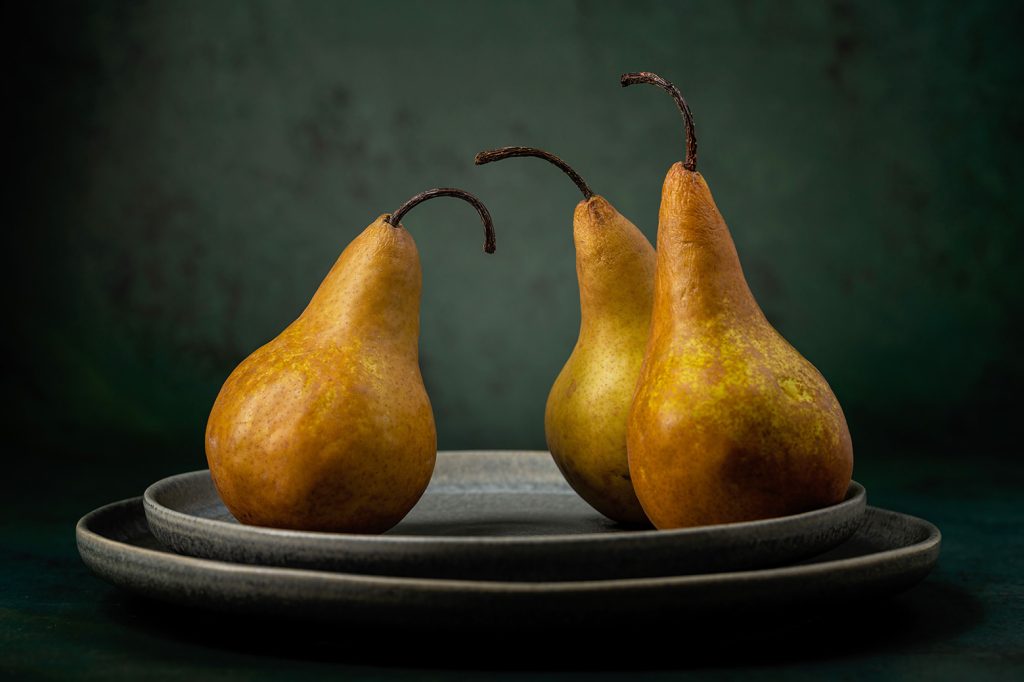
Warm, poached pears are one of the most nourishing seasonal foods in Traditional Chinese Medicine. We’re going to explain exactly why, and how to transform them into a delicious, satisfying dessert.
As the seasons change and the cooler months arrive, our bodies naturally begin to crave warmth, comfort and nourishment.
In Traditional Chinese Medicine (TCM), autumn is more than simply a change in weather. It marks a shift in our body’s energy, a time to slow down, conserve our resources and prepare for the colder winter months ahead.
One of the simplest foods traditionally used to support us through this transition is the humble pear.
For centuries, pears have been treasured in Chinese food therapy for their ability to nourish Yin, generate body fluids, moisten dryness and support the Lungs.
There is a particular way of preparing pears that makes them especially appealing during autumn and winter: gently poaching or steaming them with carefully chosen Chinese herbs, fruits and warming spices. For advice with a more medicinal approach, check out our blog on the benefits of Chinese herbs.
At Touch Tuina, we believe that some of the most accessible ways to support our wellbeing begin in the kitchen. This beautifully simple dish brings together traditional Chinese nutritional principles and everyday seasonal cooking.
Keep reading for Touch Tuina’s Autumn & Winter Nourishing Poached Pears Recipe…

Why Are Pears so Beneficial in Autumn and Winter?
In Traditional Chinese medicine, every season is associated with a particular organ system and one of the Five Elements.
Autumn belongs to the Metal Element, associated with the Lungs and Large Intestine, and the dominant climatic influence of autumn is Dryness, known as Zao (燥).
As temperatures fall, the air becomes drier and indoor heating can further reduce humidity. This is when many people begin to notice dry skin, dry lips, a scratchy throat, a dry cough or uncomfortable bowel movements.
In Chinese medicine, the Lungs are particularly sensitive to dryness. They are said to govern respiration, influence the skin and body hair, and help distribute Qi and fluids throughout the body.
Pears, known as Li (梨), are traditionally classified as sweet, slightly sour and cooling. They are valued for their ability to:
Moisten the Lungs and nourish Lung Yin
Generate body fluids and relieve dryness
Help soothe a dry or irritated throat
Traditionally clear Lung Heat and transform phlegm
Support hydration and bowel regularity
These are traditional TCM food-therapy properties, rather than proven medical treatments for respiratory illness. They are also recognised in Chinese medicine public health dietary guidance.
What Are The Benefits of Poached Pears This Autumn/Winter and Why Are They Better than Raw Pears in Colder Weather?
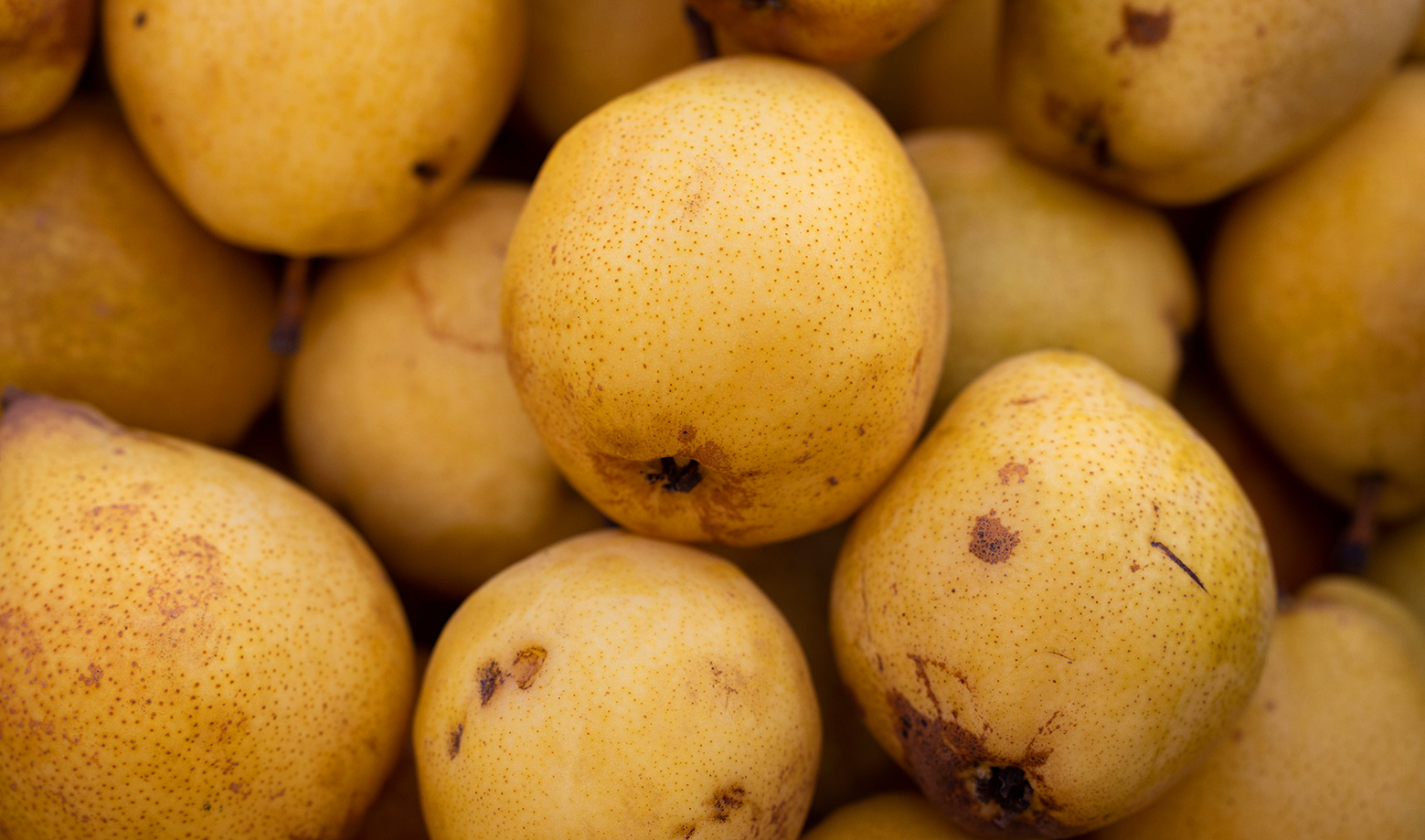
Both varieties work beautifully in TCM-inspired cooking. Asian pears have a long history in traditional Chinese preparations, while Western pears bring their own texture, flavour and sweetness. Using both together can even create a lovely balance.
Asian pears are typically crisp, very juicy and mildly sweet. Traditionally popular in Chinese pear preparations (dishes) aimed at moistening dryness.
Examples include: Nashi pear, Chinese snow pear, Korean pear
Western pears are usually softer when cooked, fragrant and naturally sweet. Excellent for poaching and providing dietary fibre.
Examples include: Conference, Bosc, Comice, Williams
The Benefits of Poached Pears Accompanied by Chinese Herbs, Berries and Warming Ingredients
The beauty of Chinese food therapy is that ingredients are selected not only for their nutritional content but also for their traditional energetic properties. From a TCM perspective, cooking and combining pears with such ingredients can create a more balanced dish for the colder seasons.
Here are some of our favourite additions to a seasonal poached pear recipe:
1. Hawthorn berries – Shan Zha (山楂)
Traditionally used to support digestion, reduce food stagnation and help with feelings of fullness after rich or heavy meals. Their slightly tart flavour also balances the sweetness of the pears and dates.
2. Goji berries – Gou Qi Zi (枸杞子)
Traditionally nourish Liver and Kidney Yin, support the eyes and help moisten dryness. Nutritionally, goji berries contain carotenoids, including zeaxanthin, and plant antioxidants.
3. Jujube red dates – Hong Zao (红枣)
Often included in Chinese soups, teas and desserts to tonify Spleen Qi, nourish Blood and harmonise ingredients. They contribute natural sweetness and a rich, caramel-like flavour.
4. Walnuts – He Tao Ren (核桃仁)
An excellent addition, especially for winter. Traditionally associated with warming the Kidneys, supporting Kidney Yang and moistening the Intestines. Walnuts also provide unsaturated fats, including plant omega-3 ALA, along with minerals and fibre.
5. Fresh ginger – Sheng Jiang (生姜)
Traditionally warms the Stomach, disperses Cold and supports digestion. A small amount helps balance the cooling nature of pears and gives the poaching liquid a gentle warmth.
6. Cinnamon – Rou Gui (肉桂)
Traditionally a warming spice associated with supporting Yang and dispelling Cold. A small cinnamon stick adds fragrance, although people showing strong Heat or dryness signs may prefer to omit it.
Other beneficial ingredients to consider are:
Snow fungus – Yin Er (银耳)
One of our favourite additions for autumn. Traditionally used to nourish Yin and moisten dryness. Its soft, gelatinous texture creates a luxurious Chinese-style dessert. It also provides soluble dietary fibre.
Lily bulb – Bai He (百合)
A classic Chinese medicinal food traditionally used to nourish Lung Yin, moisten the Lungs and calm the Shen. Particularly suited to an autumn-focused recipe.
Black sesame seeds – Hei Zhi Ma (黑芝麻)
Traditionally nourish Liver and Kidney essence and moisten the Intestines. They are also a source of unsaturated fats, calcium and other minerals.
For a recipe aimed particularly at autumn dryness, our preferred extras would be snow fungus and lily bulb. For a more warming winter version, walnuts, a little ginger and cinnamon make excellent additions.

Touch Tuina’s Autumn & Winter Nourishing Poached Pears Recipe!
A naturally sweet, gently warming fruit dessert inspired by Chinese food therapy. Perfect for enjoying after an autumn meal or on a cold winter afternoon.
Prep time: 10 mins
Cooking time: 30 – 40 mins
Servings: 4
The Ingredients
1 large Asian pear (Nashi or snow pear)
2 firm Western pears (Conference or Bosc)
4 dried jujube red dates, pitted and halved
1 tablespoon dried goji berries
2-3 small dried Chinese hawthorn slices (optional)
25g walnut halves, roughly chopped
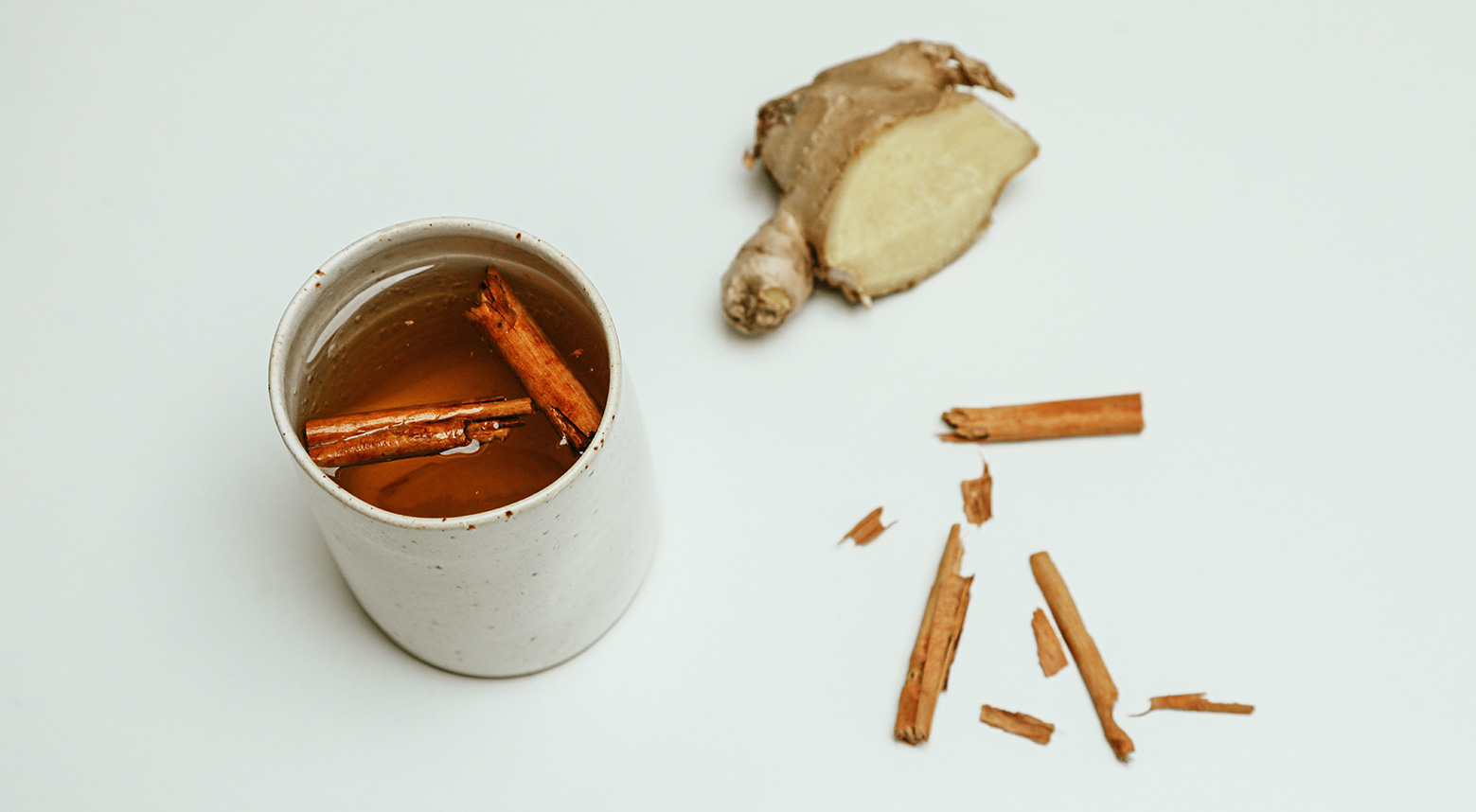
3-4 thin slices fresh ginger
1 small cinnamon stick
1-2 teaspoons honey (optional)
600 – 750ml water
Optional: 5g dried snow fungus, soaked and trimmed
Optional: 10g dried culinary lily bulb, soaked
How to Prepare Touch Tuina’s Autumn & Winter Nourishing Poached Pears Recipe
1. Prepare the pears. Wash, peel if preferred, core and cut into halves or large wedges. Leave some skin on for extra fibre if desired.
2. Prepare the Chinese ingredients. Rinse the jujubes, goji berries and hawthorn. Pit the jujubes and remove any hard seeds from the hawthorn. If using dried snow fungus or lily bulb, soak according to the packet instructions. Trim the tough base from the snow fungus.
3. Start the fragrant poaching liquid. Place the water, jujubes, hawthorn, ginger and cinnamon into a saucepan. Add the soaked lily bulb and snow fungus, if using. Bring to a gentle simmer for 10 minutes.
4. Add the pears. Lower the pear halves into the fragrant liquid. Cover partially and gently simmer for 15-25 minutes, depending on the firmness of the pears, until tender but still holding their shape.
5. Add the goji berries. During the last 5 minutes, stir in the goji berries so they soften without becoming overly mushy.
6. Prepare the walnuts. Lightly toast the walnuts in a dry frying pan for 2-3 minutes, until fragrant.
7. Finish with honey, if using. Remove the saucepan from the heat. Allow it to cool to a pleasantly warm serving temperature before stirring in the honey. The pears and dates may already provide enough sweetness.
8. Serve warm. Place the pears in bowls, spoon over some of the fragrant poaching liquid, add the softened berries and jujubes, and finish with the toasted walnuts. Discard the cinnamon stick and ginger slices.
Tip: Keep the poaching liquid rather than reducing all of it into syrup. It makes a lovely warm fruit broth and allows the dish to be enjoyed with less added sugar.
In traditional Chinese food therapy, this recipe brings together ingredients selected to…
Moisten dryness: pears, goji berries and snow fungus
Nourish Qi and Blood: jujube red dates and goji berries
Support digestion: small amounts of hawthorn and ginger
Support Kidney nourishment: walnuts and black sesame, if added
Balance cooling and warming influences: moistening pears alongside modest amounts of ginger and cinnamon

A Little Chinese Medicine Wisdom
Chinese medicine has long recognised that how we prepare our food can be just as important as the ingredients themselves.
A pear straight from the fridge and a pear slowly poached with ginger, jujube and walnuts may offer similar basic nutrients, but in the language of traditional Chinese dietary therapy they have different energetic qualities.
As autumn gives way to winter, warm, gently cooked foods can be a comforting way to nourish ourselves while adapting our eating habits to the season.
And sometimes the simplest recipes – those passed from one generation to the next – are the ones worth bringing back into our everyday lives.
This autumn and winter, try swapping a cold dessert for a bowl of warm, fragrant poached pears.
A little nourishment, a little warmth, and a delicious reminder that food has always played an important part in traditional Chinese approaches to wellbeing.
Want to Learn More About Staying Aligned with the Season?
Check out our blog on Autumn’s Energy, giving you top tips for staying warm, keeping well and staying in-line with this beautiful season.