Why Staying Hydrated Matters…
Hydration is one of the simplest yet most important ways to support your health. The importance of hydration extends far beyond quenching your thirst – it affects your energy levels, brain function, digestion, physical performance, and overall wellbeing. Because the human body is made up of around 50-60% water, maintaining proper hydration is essential for nearly every bodily function.
As we’re in the thick of the summer season, and the UK’s heatwaves don’t seem to be budging (no complaints!), we thought it would be the perfect time to remind everyone of the significance of staying hydrated.
Whether you’re exercising, working, or simply going about your day, understanding the importance of hydration can help you make healthier choices and feel your best.
Why Is The Importance of Hydration So Significant?
Water is involved in countless processes within the body. It helps regulate body temperature, transports nutrients to cells, cushions joints, supports digestion, and removes waste through urine and sweat. Without enough water, these essential functions become less efficient, leading to fatigue, headaches, reduced concentration and poor physical performance.
Recognising the importance of hydration is the first step towards building healthy daily habits that benefit both your body and mind.
The Benefits of Staying Hydrated
Increased Energy Levels
One of the first signs of dehydration is tiredness. Even mild dehydration can leave you feeling sluggish and lacking motivation. Drinking enough water throughout the day helps your body function efficiently and supports consistent energy levels.
Better Brain Function
The effects of dehydration are especially noticeable when it comes to brain health. Proper hydration supports concentration, memory, alertness and mood. Even small drops in hydration levels can affect cognitive performance, making it harder to focus on everyday tasks.
Improved Physical Performance
Whether you’re an athlete or simply enjoy staying active, hydration plays a key role in physical performance. Water helps regulate body temperature and replaces fluids lost through sweat. Staying hydrated can reduce the risk of muscle cramps, overheating, and fatigue during exercise.
Supports Healthy Digestion
Water helps break down food, absorb nutrients, and move waste through the digestive system. Drinking enough fluids can help prevent constipation and support a healthy digestive tract.
Healthier Skin
While water alone won’t eliminate skin concerns, proper hydration helps maintain your skin’s moisture balance and supports its natural protective barrier. Staying hydrated contributes to healthier-looking skin and an overall healthy complexion.
How Much Water Should You Drink?
There isn’t a single recommendation that suits everyone. Your hydration needs depend on your age, body size, activity level, climate and overall health.
A general guideline is to aim for around 6-8 glasses (approximately 1.5-2 litres) of fluids each day. If you’re exercising, spending time in hot weather or pregnant or breastfeeding, you may need additional fluids to stay properly hydrated.
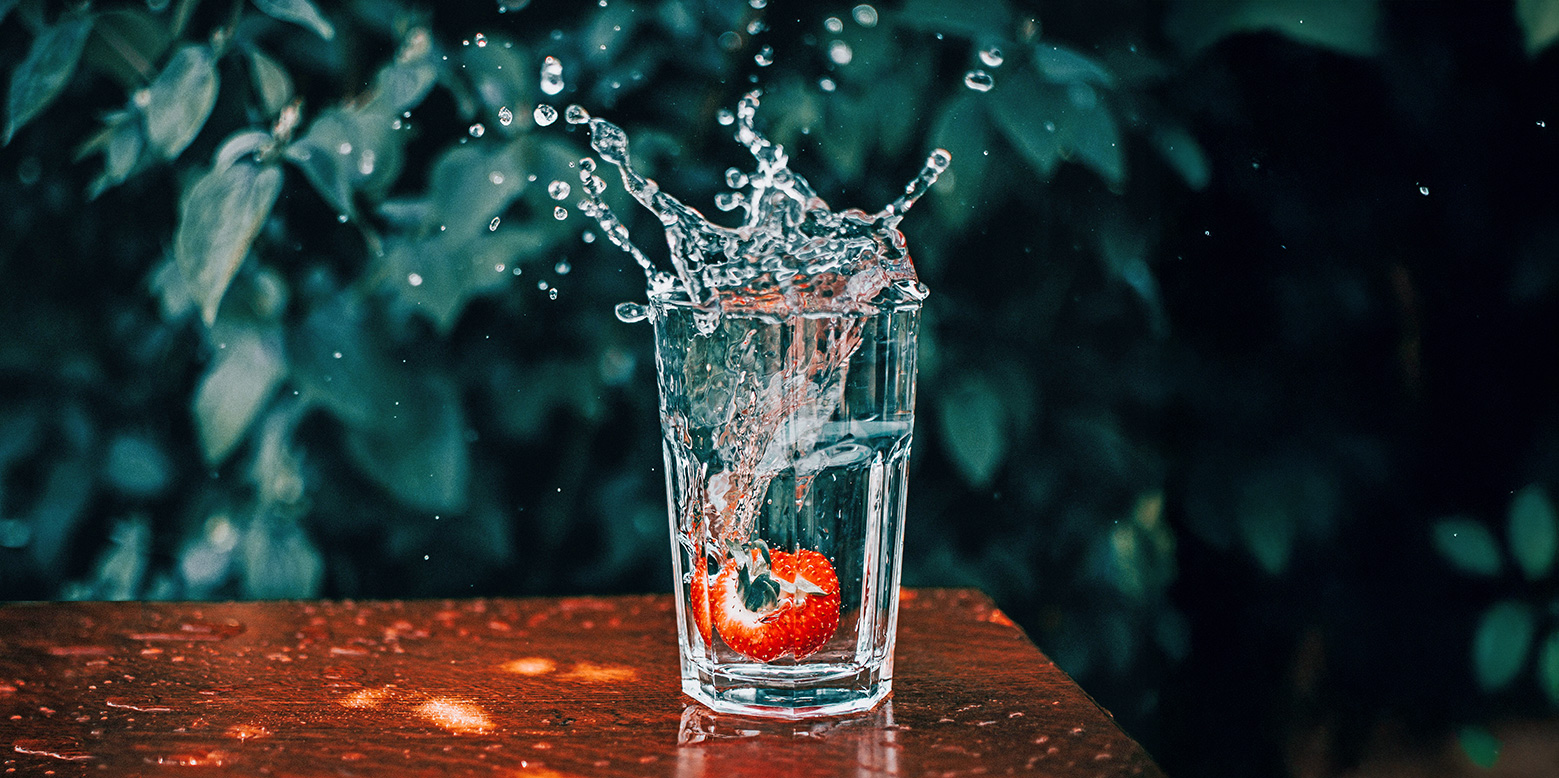
Remember that water isn’t your only source of hydration. Foods with a high water content, including cucumbers, watermelon, strawberries, oranges and soups, also contribute to your daily fluid intake.
Signs You May Be Dehydrated
Understanding the importance of hydration also means recognising the early signs of dehydration. Common symptoms include:
Dry skin
Dry mouth or lips
Dark yellow urine
Headaches
Fatigue or nausea
Dizziness
Difficulty concentrating
If you experience these symptoms, drinking fluids promptly can often help restore hydration levels.

Simple Tips to Stay Hydrated
Maintaining good hydration doesn’t have to be difficult. Try these simple habits:
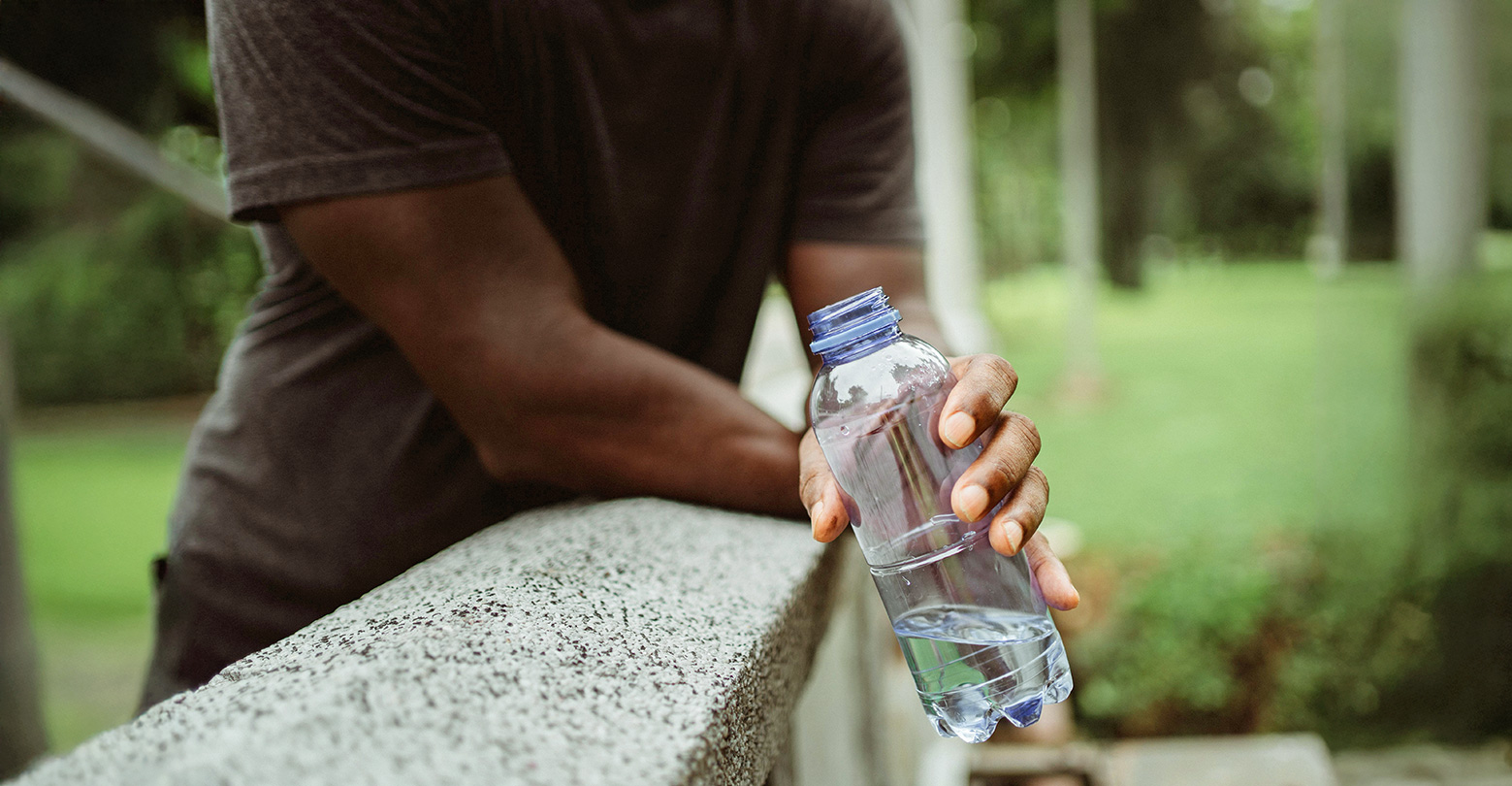
Carry a reusable water bottle with you
Drink a glass of water first thing in the morning
Set reminders to drink throughout the day.
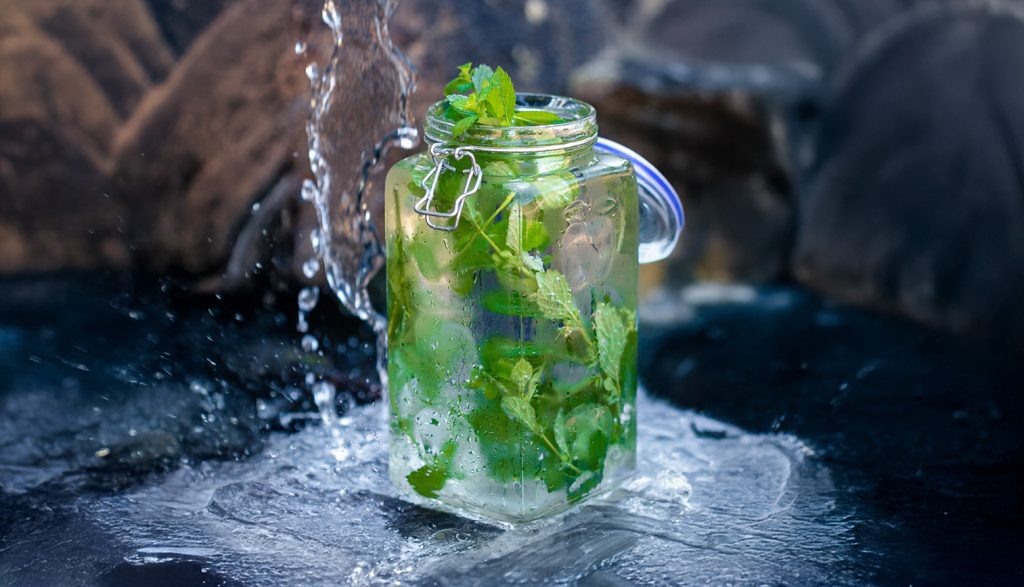
Add fresh fruit, lemon, or mint to water for extra flavour
Drink before, during and after physical activity.
Eat more water-rich fruits and vegetables.
Final Thoughts on the Importance of Hydration
The importance of hydration cannot be overstated. Water supports almost every function in the body, from regulating temperature and aiding digestion to improving concentration and maintaining energy levels. By making hydration a daily priority, you can support your physical health, mental performance and overall quality of life.
Small habits such as carrying a water bottle, drinking regularly throughout the day, and eating water-rich foods can make a lasting difference. Staying hydrated is one of the easiest and most effective steps you can take towards a healthier lifestyle!