The Key to Success in Exercise and Fitness
As we enter the new year, a lot of us are refining our exercise routines, while some of us are starting new ones all together. With exercise comes the essential practice of warming up and cooling down. Whether you take these measurements or don’t, we’ll be taking you through why warm-ups and cool-downs are so important, and how to get the most out of them.
What Do They Do for Our Bodies?
By understanding what they do for our body, we can better understand why warm-ups and cool-downs are so important.
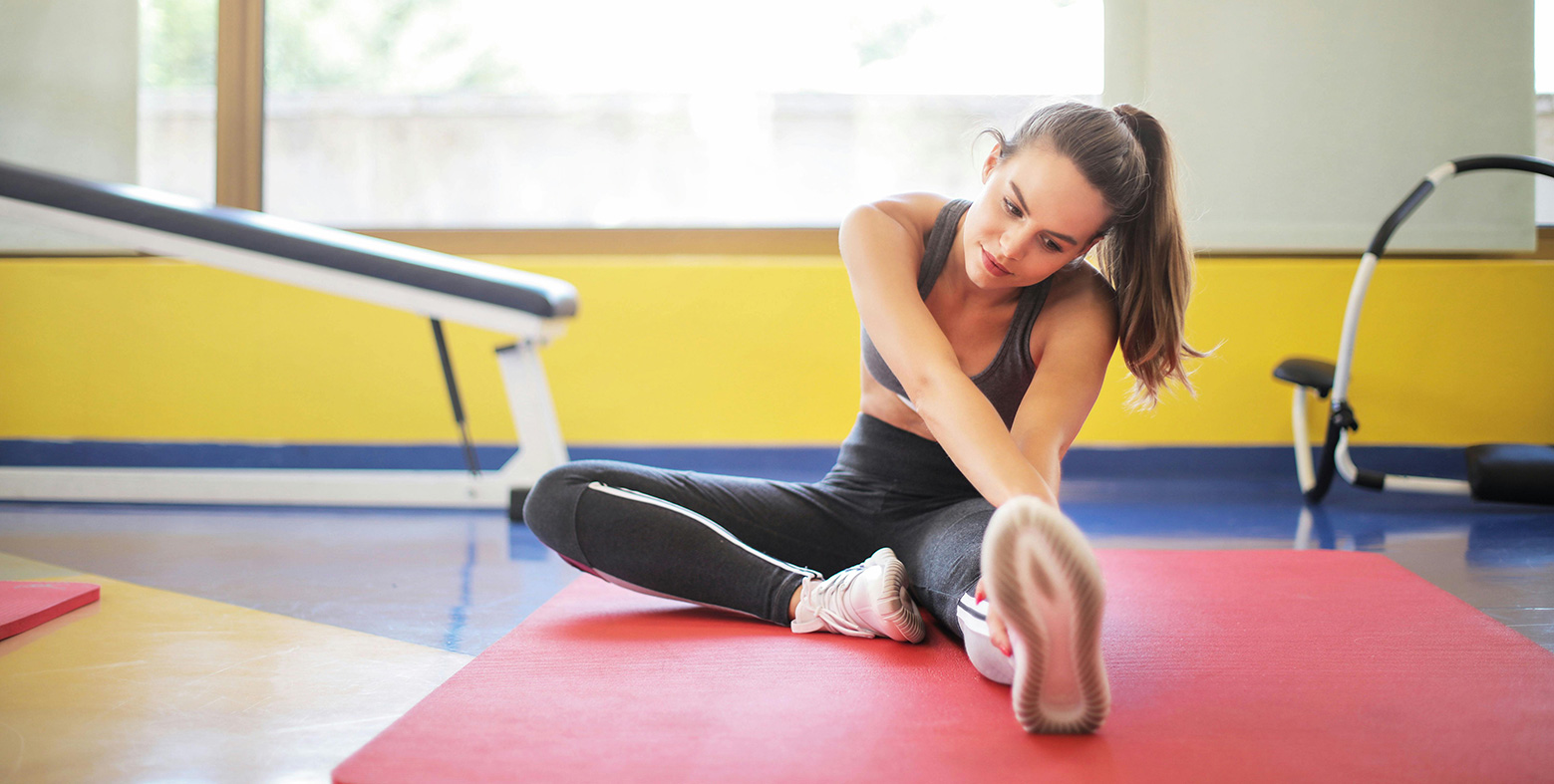
An effective warm-up ensures sufficient oxygen is delivered to your muscles by widening your blood vessels. Warming up also increases the temperature of your muscles, positively influencing flexibility. It also raises your heart rate, so your body doesn’t experience as much of a shock when it plunges itself into exercise.
Cooling down works in reverse. It allows your body to gradually ease out of the intense exercise, attempting to prevent spells of sickness or dizziness.
What Makes an Effective Warm-Up?
The length of your warm-up depends on what activity you’ll be carrying out. If your activity is quite intense, you should do a longer warm-up to make sure all your muscles are ready. If you can work the activity (or related elements) into the warm-up, that’s great. For example, if you’ll be running, a light jog could work as an effective warm-up.
And an Effective Cool-Down?
The cool-down activity will depend on your main activity, but there are practical elements that will make an effective cool-down. For example, if you’re running, turning your run into a light jog and then a fast walk is a common way to cool down. The aim is to slowly ease yourself out of the activity, and steadily slow down your heart rate back to normal.

Stretching
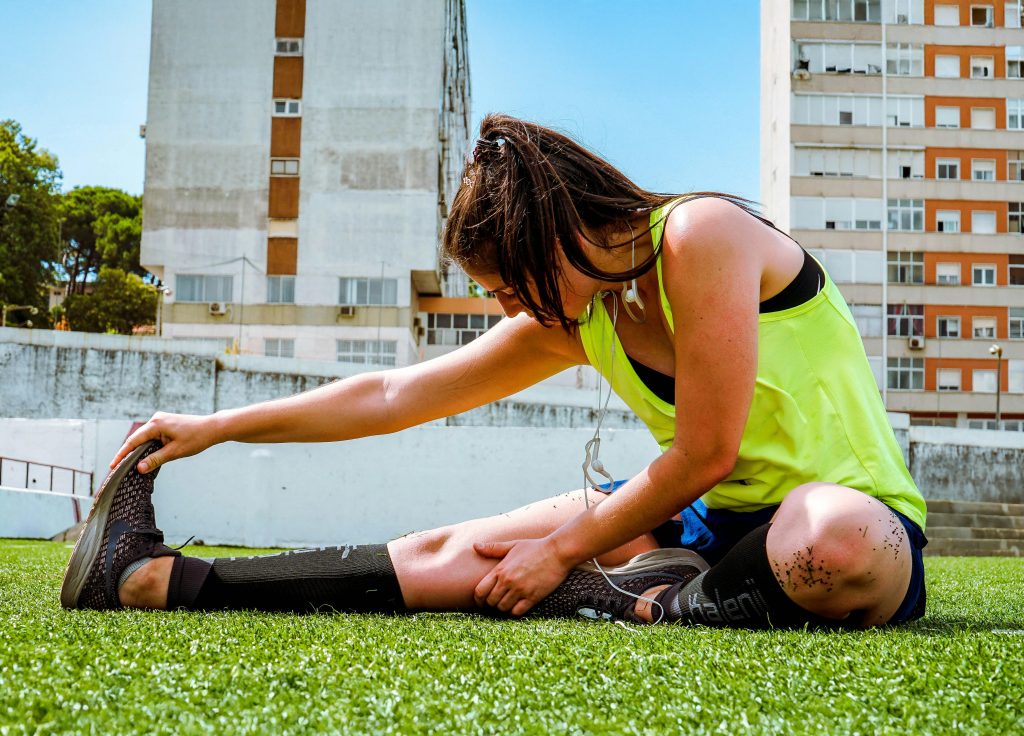
Another reason why warm-ups and cool-downs are so important is that they give us an opportunity to stretch. In particular, adding stretching to your cool-down helps to reduce the build up of lactic acid, which contributes to sore muscle. Stretching safely can really help the stiffness and cramping that we typically feel around two days after intense exercise, also referred to as DOMS (delayed onset muscle soreness).
The latest Stretch of the Month is the Kneel Stretch – this could be a good one to work into your cool-down routine. It’s great for the legs, ankles and feet, and can be effective after a lower body workout.
Tools and Techniques
The techniques you use to warm-up will be specific to the activity you do. However, whichever it is, there are some tools you can use to aid your warm-up and cool-downs.
Using a foam roller is one technique. It’s a self-myofascial release tool that can be used all over the body. When used correctly it can aid muscle recovery, blood circulation and flexibility. It can enhance muscle readiness before exercise. Similarly, it can help release tension and stiffness when used during a cool-down.
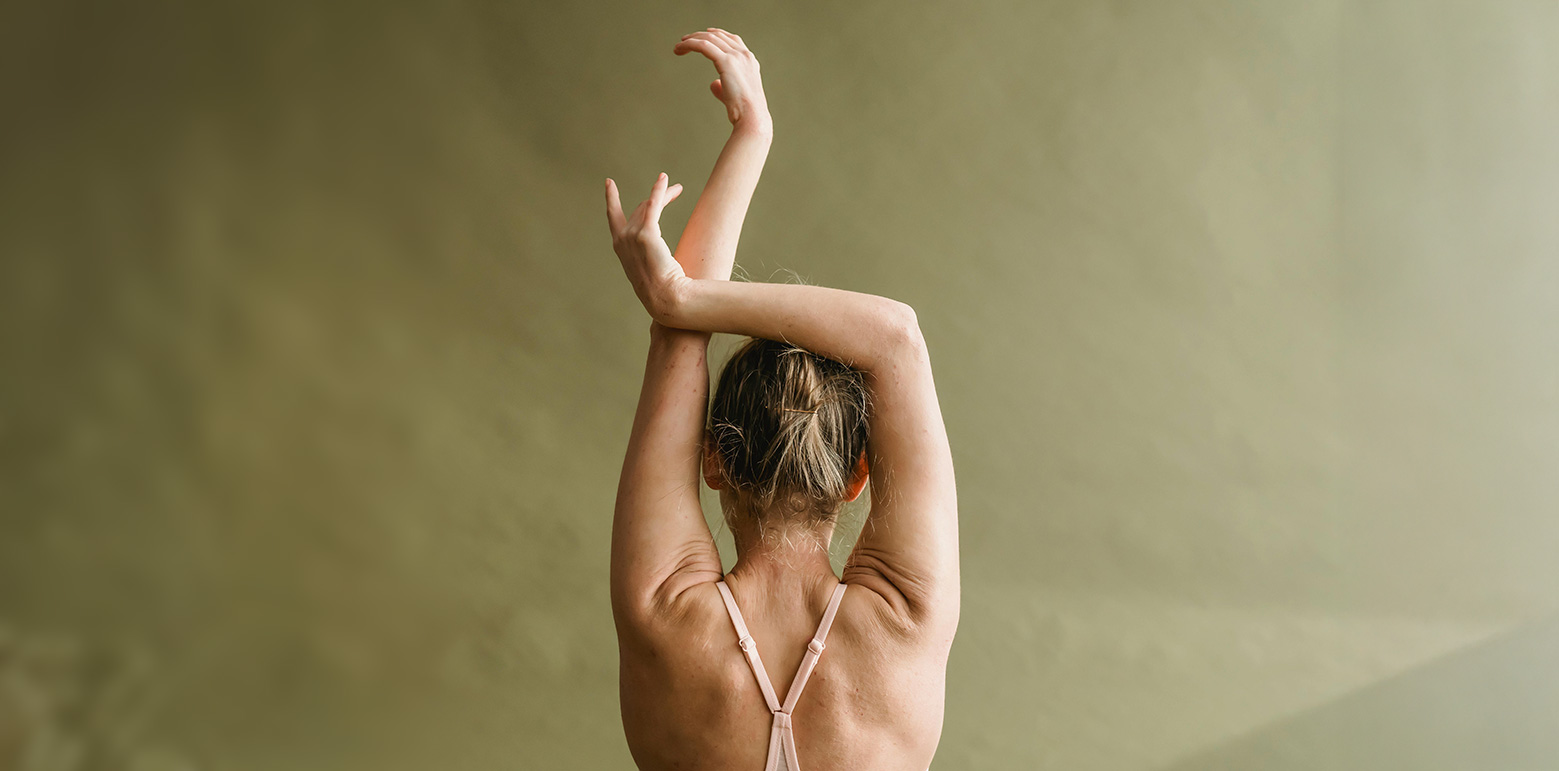
Why Warm-Ups and Cool-Downs are so Important – In a Nutshell
If you’re looking to get the most out of your body during exercise, and to feel your best both before, during and after, they are the key to your successes. Warm-ups and cool-downs are so important because they prepare your body for physical activity. They can improve your performance, help to prevent injury, and safely regulate your body after exercise.
Our Expertise
Don’t forget – when you come in for your Tuina treatment, your practitioner will be ready to answer your questions about exercise. Gaining an understanding of your body means they can provide personalised recommendations for warm-ups and exercises.
If you’d like to find out more about Tuina treatments, get in touch with us today!