How Chinese Medicine Can Help With Your Sleep
Traditional Chinese Medicine (TCM) offers a unique perspective on sleep, recognising it as one of the most important foundations of health. In TCM theory, sleep is closely connected to the balance of Yin and Yang, the two complementary forces that regulate the body.
During the day, Yang energy supports activity, movement, and mental alertness. At night, Yin energy becomes dominant, allowing the body and mind to rest, restore, and replenish. Quality sleep is believed to nourish Yin while helping to restore Blood and Essence, both of which are essential for maintaining physical and emotional balance.
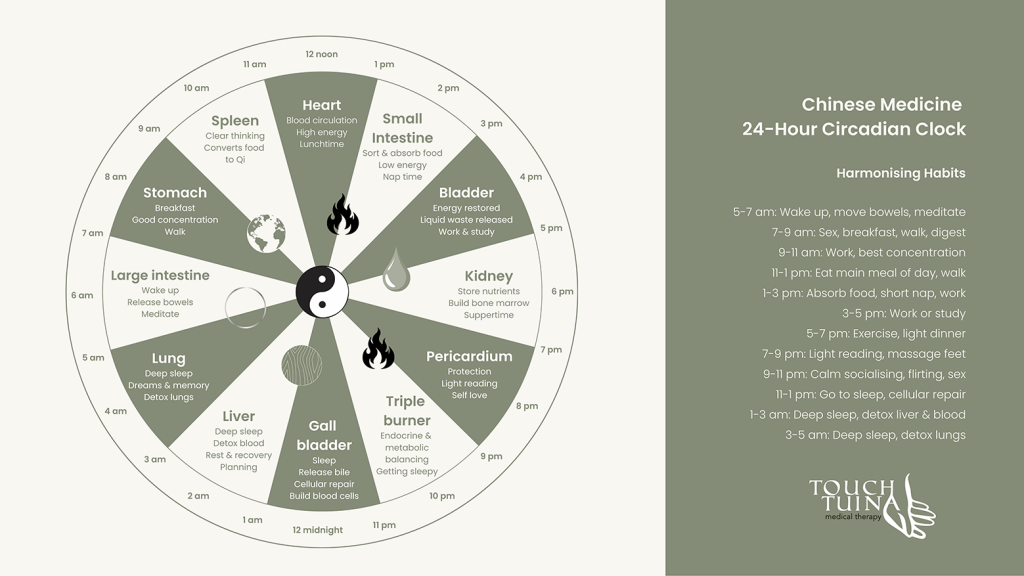
The Chinese Body Clock
TCM also recognises a natural rhythm within the body known as the Chinese Organ Clock. According to this system, different organs are most active at specific times throughout the night.
For this reason, going to sleep before 11pm is often recommended, as it supports the body’s natural repair and restoration processes that occur during the late evening and early hours of the morning.
Understanding Sleep Patterns: a TCM perspective on sleep
From a Traditional Chinese Medicine perspective on sleep, insomnia is rarely seen as a single condition. Instead, it is usually linked to patterns of imbalance within the body.
Some of the most common patterns seen in practice include:
Heart Blood deficiency, which may lead to difficulty falling asleep or a restless mind
Liver Qi stagnation, often linked to stress, tension, and racing thoughts
Yin deficiency, which can cause waking during the night or night sweats
Disturbance of the Shen, the concept in TCM associated with the mind and emotional state
Identifying these patterns allows practitioners to tailor treatments more specifically to each individual.
Treatment in Traditional Chinese Medicine
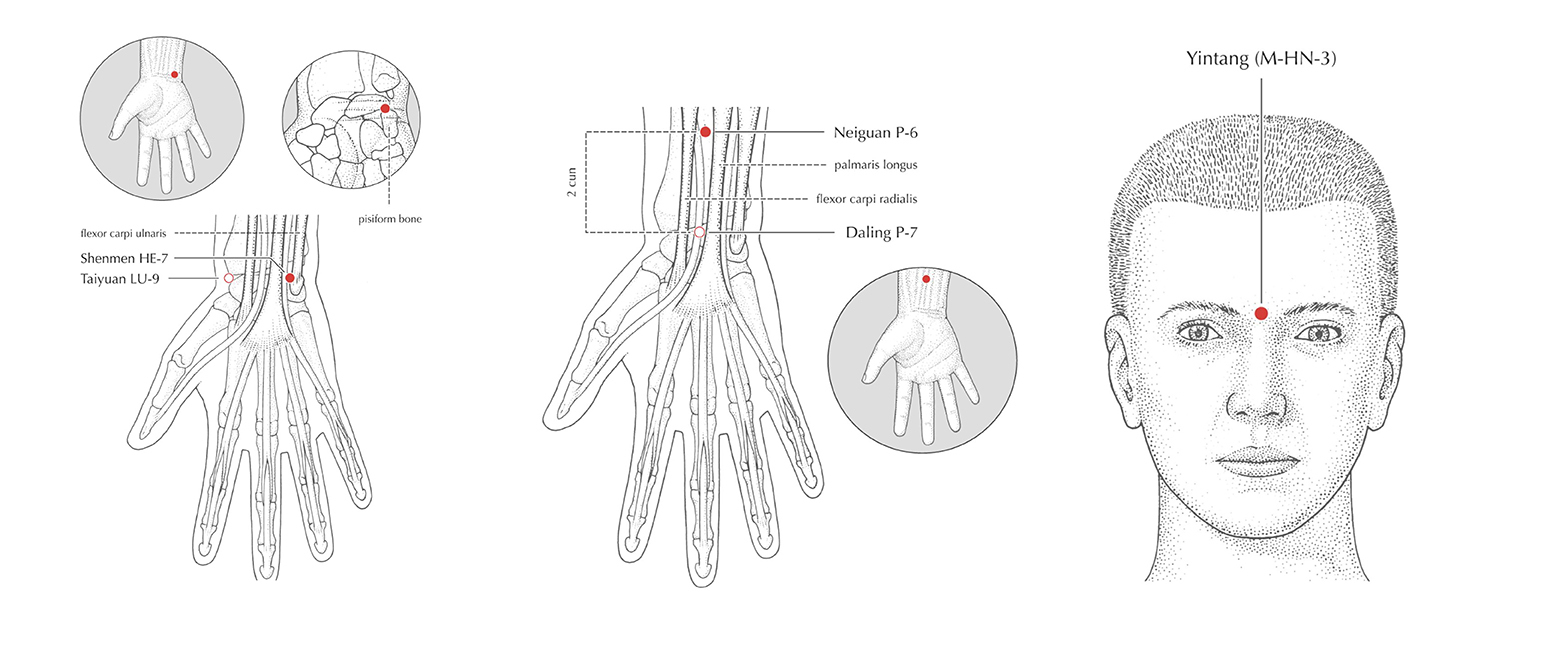
and support healthy sleep. These may include:
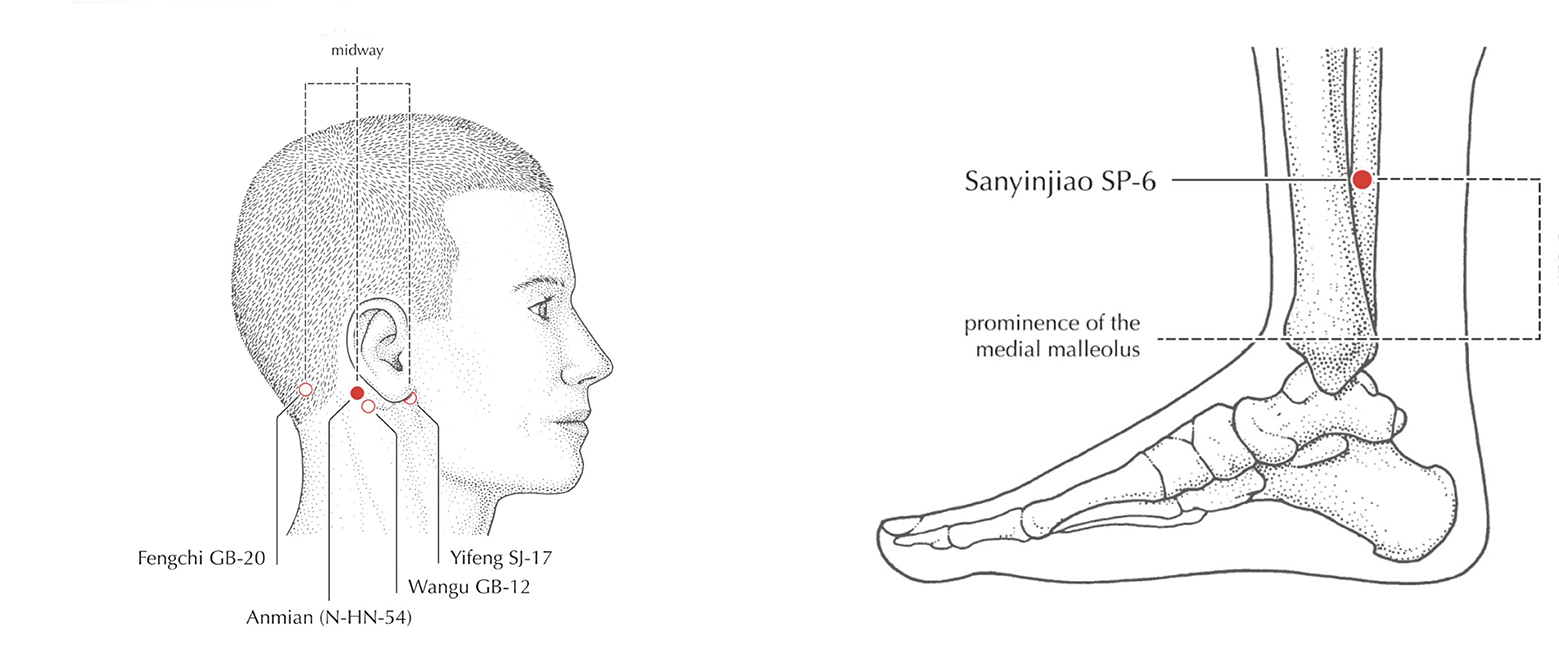
Acupuncture or acupressure, using points such as Shenmen (HE-7), Neiguan (PC6), Yintang, Anmian, and Sanyinjiao (SP6) to calm the mind and support relaxation
Herbal medicine, which can help nourish Blood, regulate Yin, and settle the Shen
Dietary therapy, incorporating foods traditionally associated with supporting sleep, such as lotus seeds, goji berries, oats, sweet potato, pumpkin, black sesame, mulberries, and bone broth
Lifestyle adjustments, including gentle movement, stress management, and creating calming evening routines By addressing both the symptoms and the underlying imbalance, Traditional Chinese Medicine aims to support more natural and restorative sleep over time
A Herbal Approach Perspective on Sleep
One of the Traditional Chinese Medicine (TCM) herbal formulas we make up in the clinic for better sleep is Suan Zao Ren Tang.
Suan Zao Ren Tang (Sour Jujube Decoction), is a well-known traditional Chinese herbal formula. It’s primarily used for insomnia, anxiety, and irritability. It’s especially helpful when sleep issues are linked to nourishment in the heart and liver. It can calm the mind and regulate Yin and Blood. To read more about the benefits of Suan Zao Ren Tang, click here.
There are a range of other TCM herbal remedies that can aid a good night’s sleep. If you’d like to find out more about how they could help you, just get in touch and we’ll be happy to help.
Ultimately, a Traditional Chinese Medicine perspective on sleep looks beyond symptoms to understand the deeper patterns within the body.
By restoring balance, it supports more natural, lasting, and restorative sleep over time.