Discover the invaluable benefits of Tuina Reflexology…
When it comes to foot treatments, many people assume they’re all pretty much the same. You lie back, relax, and someone works on your feet – simple, right? Not quite. Two of the most commonly confused therapies are reflexology and Tuina-based foot massage. While they may feel similar at first, they actually take very different approaches. Understanding that difference can completely change the results you get.
So, What Is Reflexology?
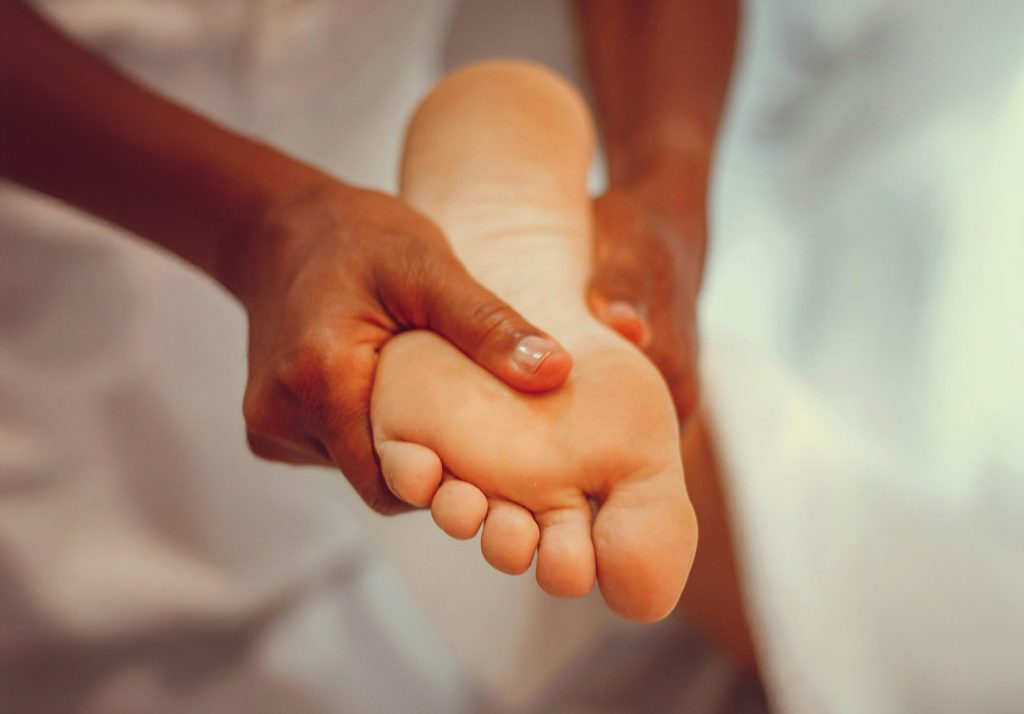
Reflexology is based on the idea that different areas of the feet (known as reflex zones) correspond to different parts of the body. A simplified way to look at it is, almost superimposing a human body across the soles of both feet:
Toes → head, brain, sinuses
Arch → digestive system
Heel → lower back and pelvis
By applying pressure to these areas, reflexology aims to:
Encourage relaxation
Support internal organs
Help rebalance the body
What Are Reflex Zones?
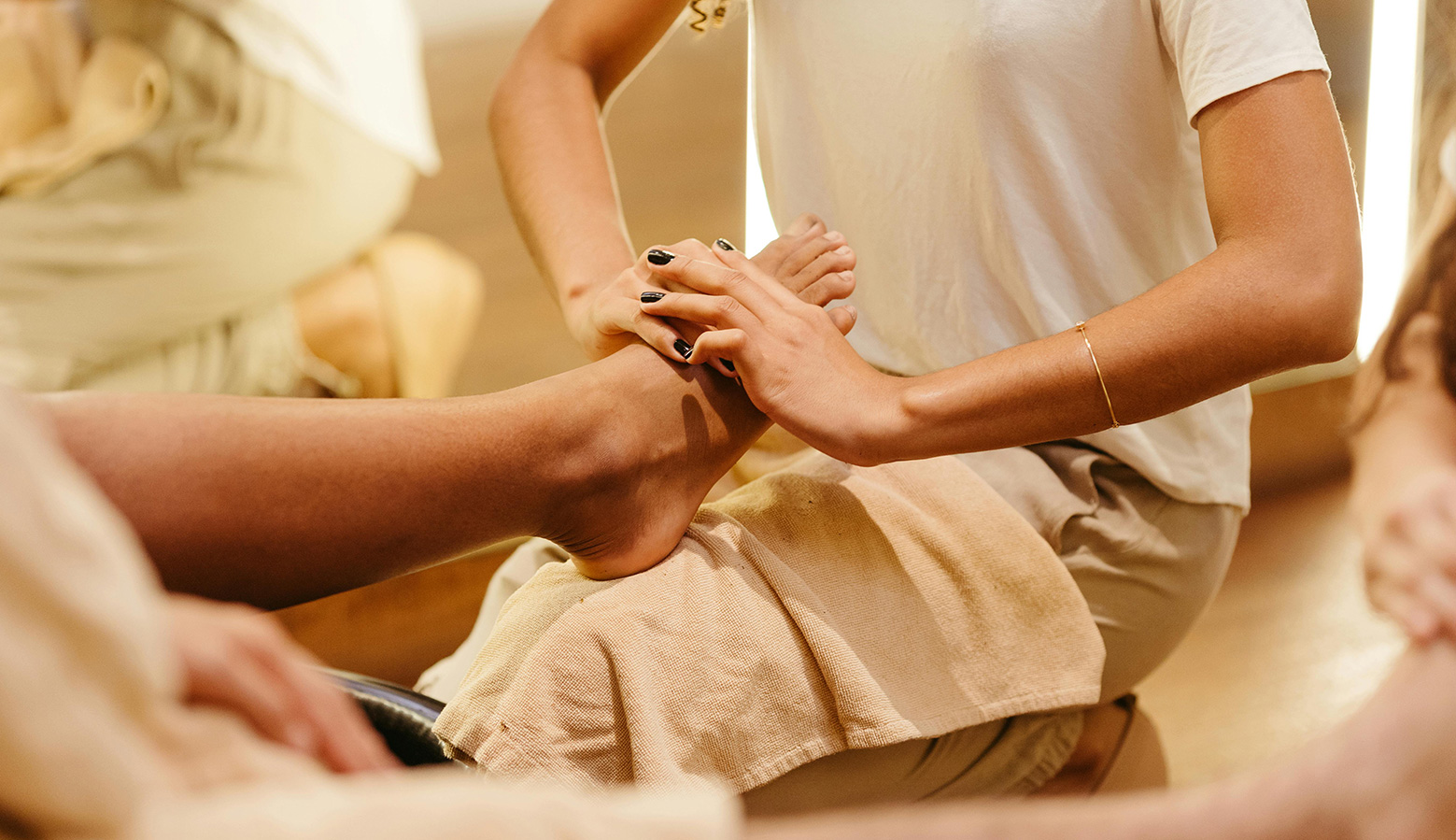
Think of reflex zones as a microsystem-mapping of the body systems on the feet. Stimulating these points sends signals through the nervous system or energy pathways to the corresponding organs.
And while reflexology can feel amazing (and it absolutely has its place), there’s something important to understand: Reflexology doesn’t actually treat the foot itself.
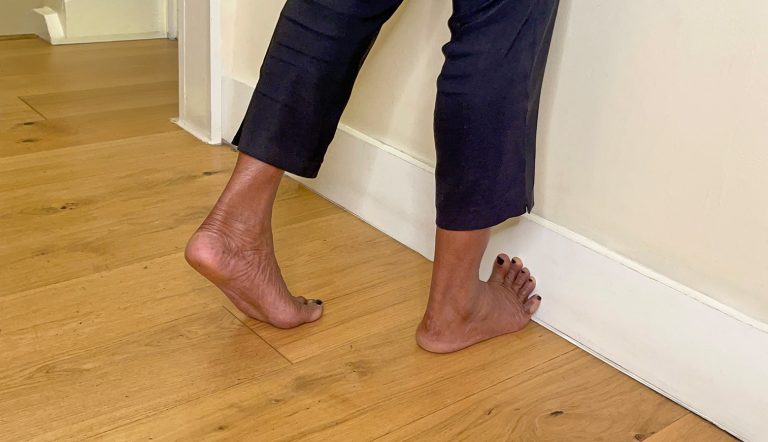
There is no reflexology point for the foot on the foot. So while it may support your overall wellbeing, it won’t directly fix structural issues like fallen arches, plantar fasciitis, tarsal tunnel syndrome, and many other foot and ankle problems.
What Is a Tuina-Based Foot Massage?
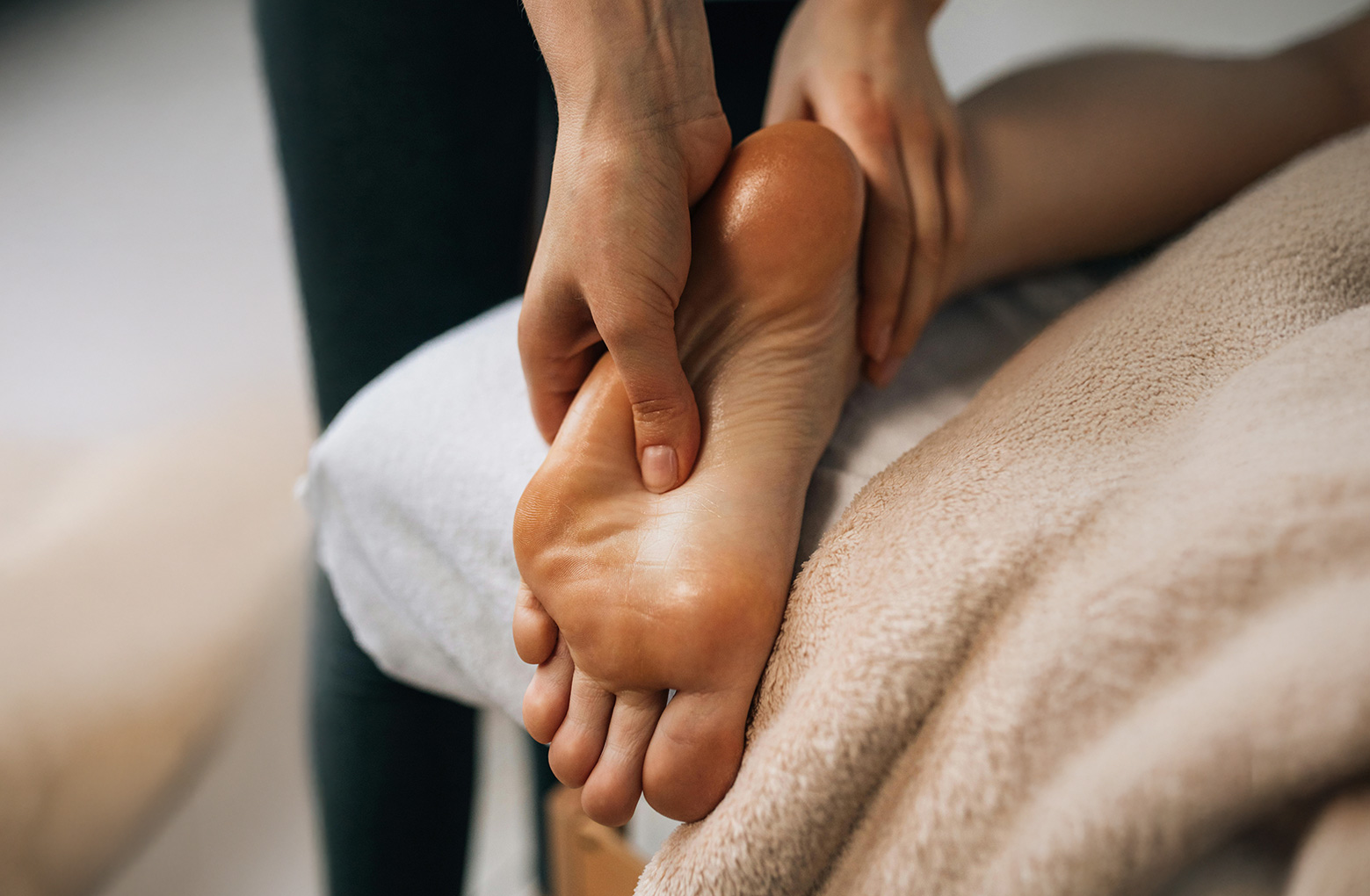
Tuina-based foot massage takes things a step further. Rooted in Traditional Chinese Medicine, this approach doesn’t just look at the foot as a map – it treats it as a functional, moving structure. Tuina-based foot massage bridges the gaps between foot massage, reflexology, podiatry, and foot functionality.
It combines:
Orthopedic-style techniques (to improve alignment, pain and movement)
Reflex zone stimulation (like reflexology)
Acupuncture points and meridian work (for whole-body support)
So, What’s the Real Difference?
Western Reflexology:
Focuses on reflex zones linked to organs
Works through pressure points on mapped areas
Supports relaxation and internal balance
Doesn’t address the physical structure of the foot which is very important as the feet are our foundation to the alignment of the whole body!
Tuina-Based Reflex Foot Massage:
Combines orthopedic massage with reflexology principles
Improves foot alignment, mobility, and function, therefore can improve whole body alignment
Works with acupuncture points and meridians
Treats both the body and the foot itself
Tuina-based reflex foot massage is the mix of orthopedic massage for proper alignment and foot functionality, as well as working the reflex zones and acupuncture points/meridians for whole body treatment.
Why This Difference Matters
If your goal is simply to relax and unwind, reflexology can be a lovely experience.
But if you’re dealing with actual foot and structural issues, you may need something more targeted. Conditions such as those mentioned earlier, as well as general foot pain or body imbalance, require hands-on work that addresses the structure and mechanics of the foot – not just its reflex points.
That’s where Tuina-based foot massage really stands out. It doesn’t replace reflexology – it builds on it.
You still get the benefits of stimulating reflex zones and supporting the body internally, but you also get improved movement, better alignment, and reduced tension in the foot itself. If you’ve ever had a foot treatment and thought ‘That felt nice, but my foot still doesn’t feel better…’ this is probably why.
Final Thoughts
Your feet aren’t just a map of your body – they’re your foundation. Just like the bottom of a house, if the base structures aren’t right every floor above is affected. The same is true for the structure of our body!
To experience the benefits of a tuina-based foot massage, contact us today to book an appointment.